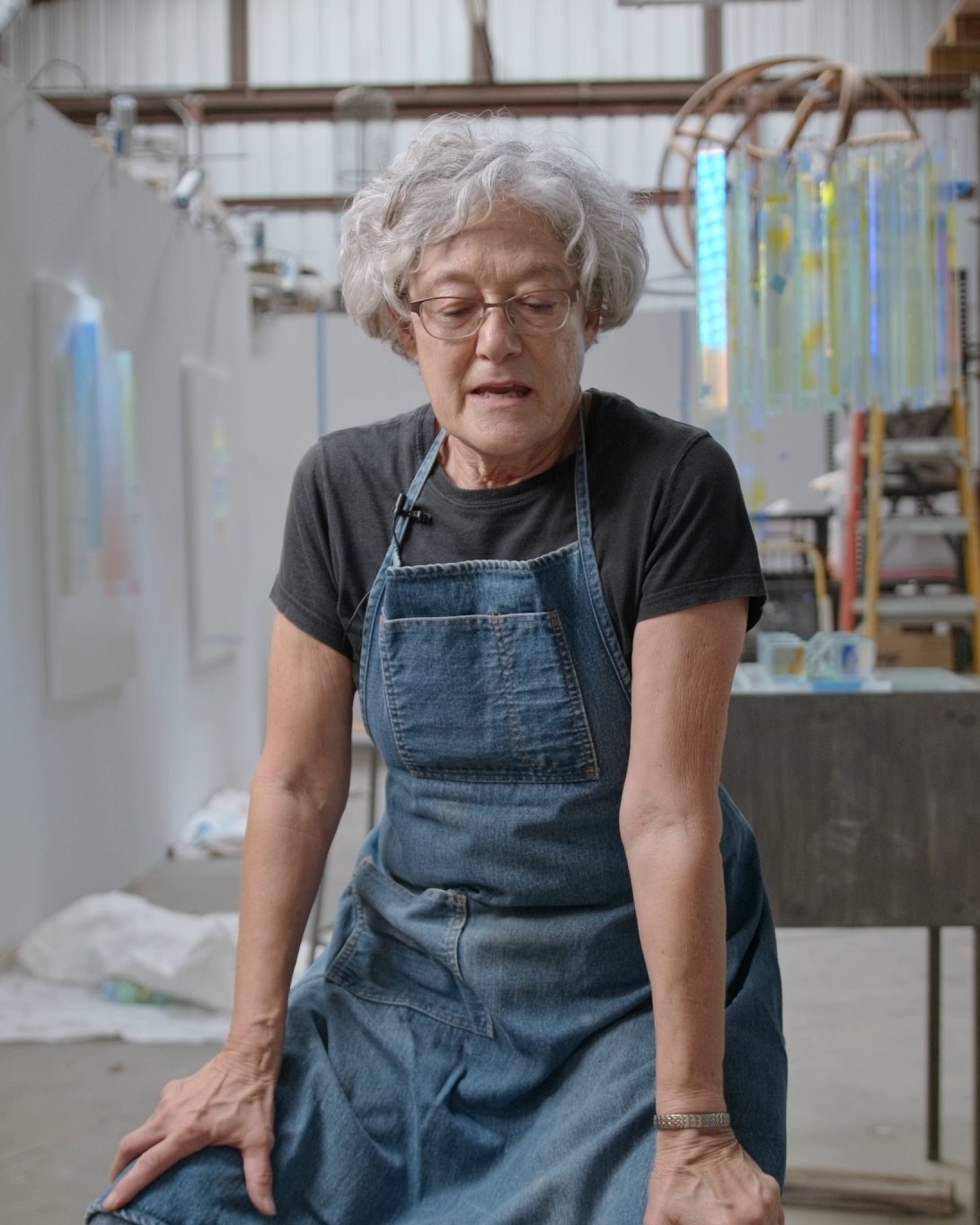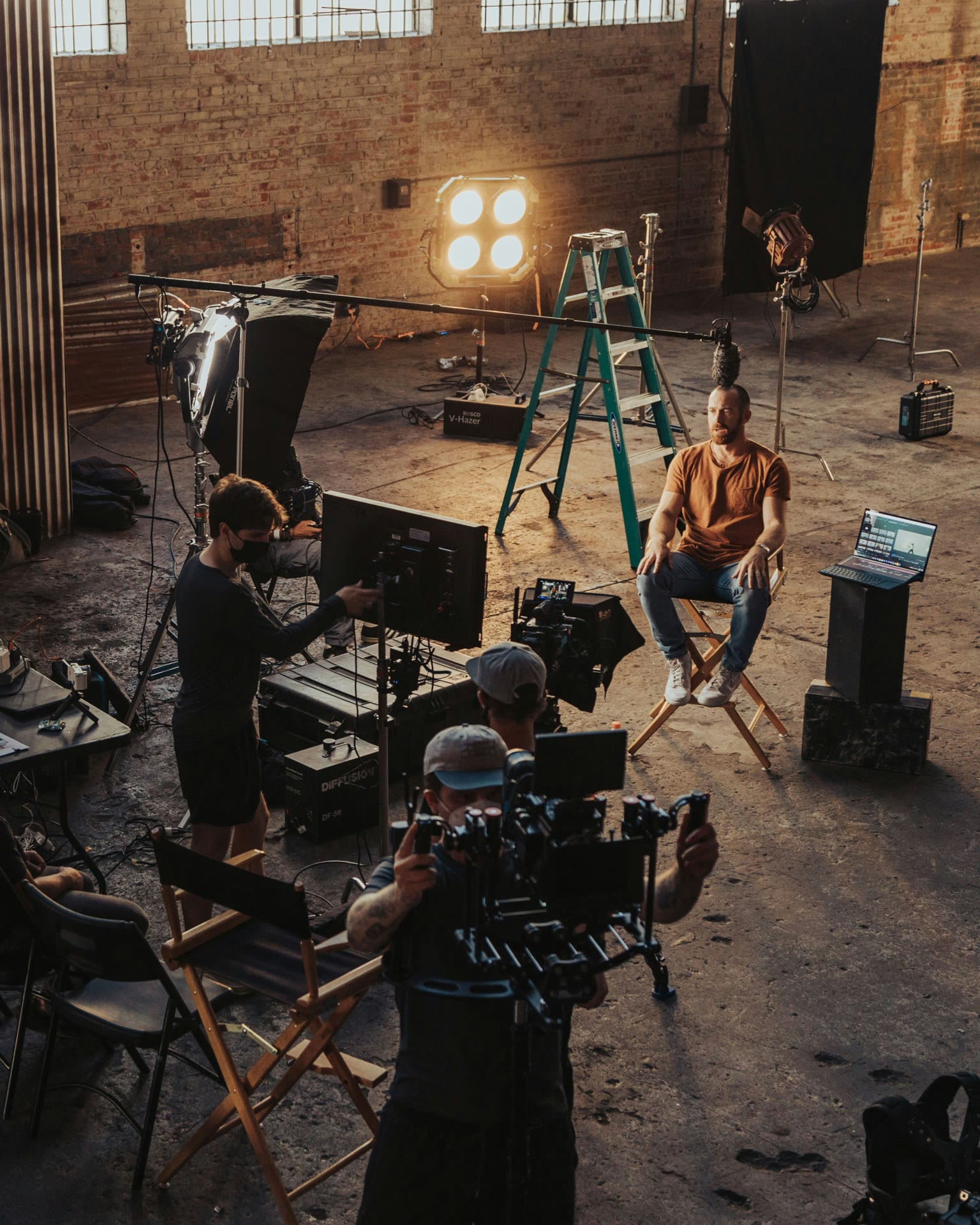
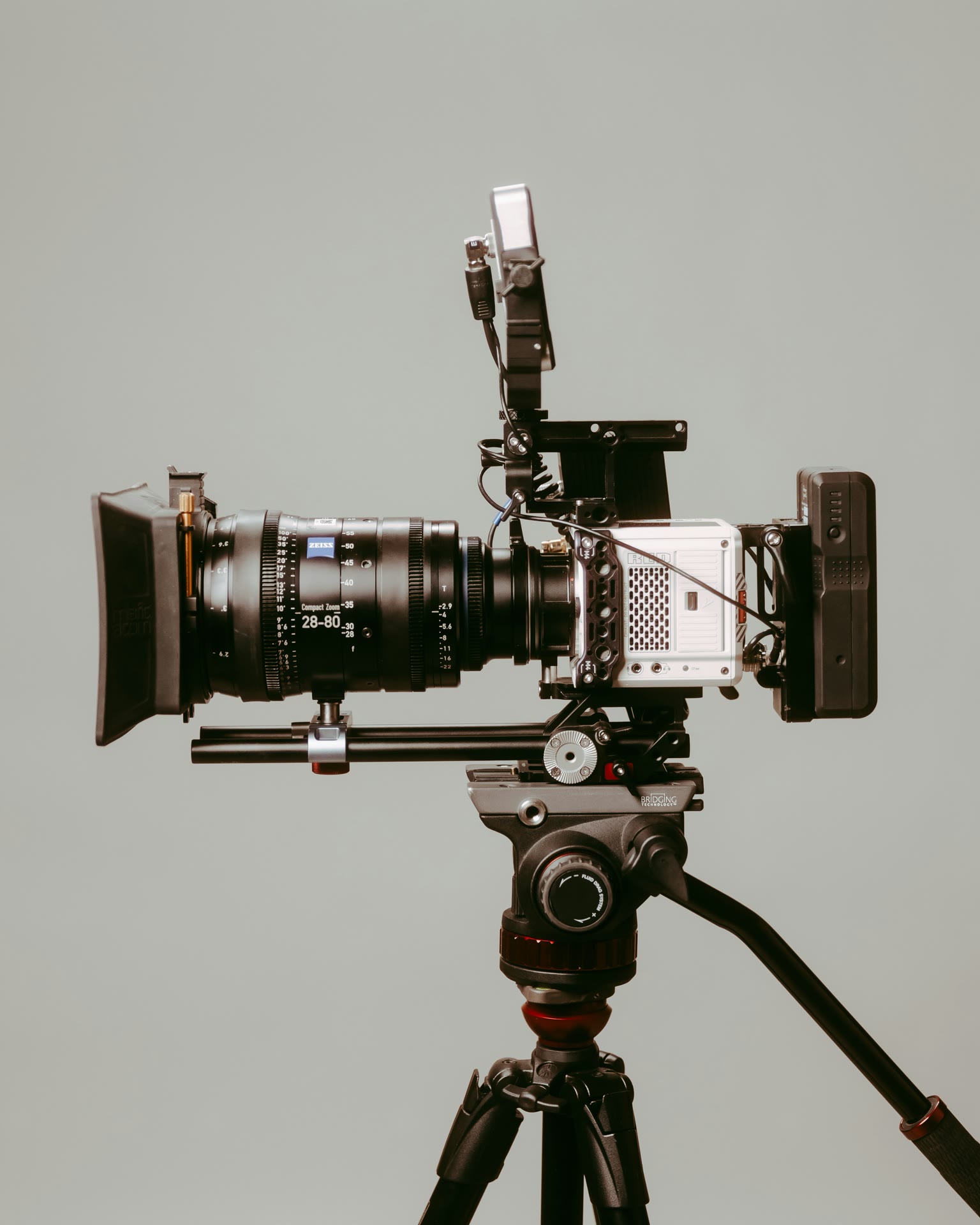
Every camera you can buy today is good. That is a new fact in the history of this craft, and it quietly broke gear culture.
For most of photography's existence, equipment was a real constraint. The gap between what a pro could shoot and what a beginner could shoot was partly a gap in glass and sensors and film stock. Spending money genuinely bought you images you could not otherwise make. Gear culture grew up around a truth.
That truth expired. Nobody sent gear culture the memo.
The oatmeal carton
My first camera was a Canon Rebel, the original one, before they put numbers on them. But the pictures I still think about from those years came out of a high school photography class where we built pinhole cameras from oatmeal cartons. A cardboard tube, a pinhole, a sheet of photo paper, and a teacher who cared. People remembered those images. Nobody ever asked what they were shot on.
I have spent money on very good cameras since, and I would spend it again. But every time I am tempted to believe a purchase will change my work, I think about the oatmeal carton.
Polish is the baseline now
Here is the part gear culture really does not want to hear. The market is now drowning in technically perfect images. AI can generate flawless polish on demand, and agency trend writing has started saying the quiet part out loud: high polish is no longer the premium product, it is the baseline. And the reaction to all that synthetic perfection is a swing toward footage that feels human. Real employees instead of actors. Unscripted instead of airbrushed.
Sit with that. The thing your camera upgrade optimizes for is the thing losing scarcity. A sharper sensor buys you a better version of the commodity.
Where the lens money actually goes
When somebody asks me whether to buy the new body or the faster glass, my honest answer is usually neither. Take the same budget and buy the things that show up on screen:
Light. One decent modifier and an hour of learning where to put it will change your work more than any sensor ever will.
Time. An extra location scout. Twenty more minutes with the person you are shooting before you ever roll. Comfort reads on camera. Rushing reads on camera.
Frame. The discipline to move your feet, clear your background, and wait for the moment. Free, and rarer than any lens.
The spec that matters
All gear is good now. The person behind the camera is still the variable, same as it was in the darkroom, same as it was with the oatmeal carton. That has always been the spec that matters. The only difference in 2026 is that the market finally agrees, because good gear stopped being scarce and good judgment did not.
Your camera clears the bar. The question is whether you do.