Agency trend writing has started saying it out loud: high-polish video is no longer a premium product. It's the baseline.
That should be a bigger deal than it's being treated as. An entire pricing model in my industry was built on polish being scarce. Better camera, better grade, better finish, higher invoice. If polish is now the floor, every business built on selling the floor has a problem.
So what's above it?
Polish was always a proxy
Here's the thing nobody wants to admit. Clients never actually wanted polish. They wanted to be taken seriously.
Polish was the available proof. If a company spent real money on a film, that spend was legible on screen, and the spend signaled substance. You couldn't fake it, so it worked as a signal. That's what the premium was buying: not the sharpness, the credibility the sharpness implied.
When anyone can produce a flawless-looking sixty seconds, the signal stops signaling. Not because quality stopped mattering, but because quality stopped being evidence of anything. A gorgeous frame no longer proves a company invested, cared, or knew what it was doing. It proves someone had access to the same tools as everybody else.
That's the whole shift. The commodity isn't the video. It's the credibility the video used to carry.
What the market started buying instead
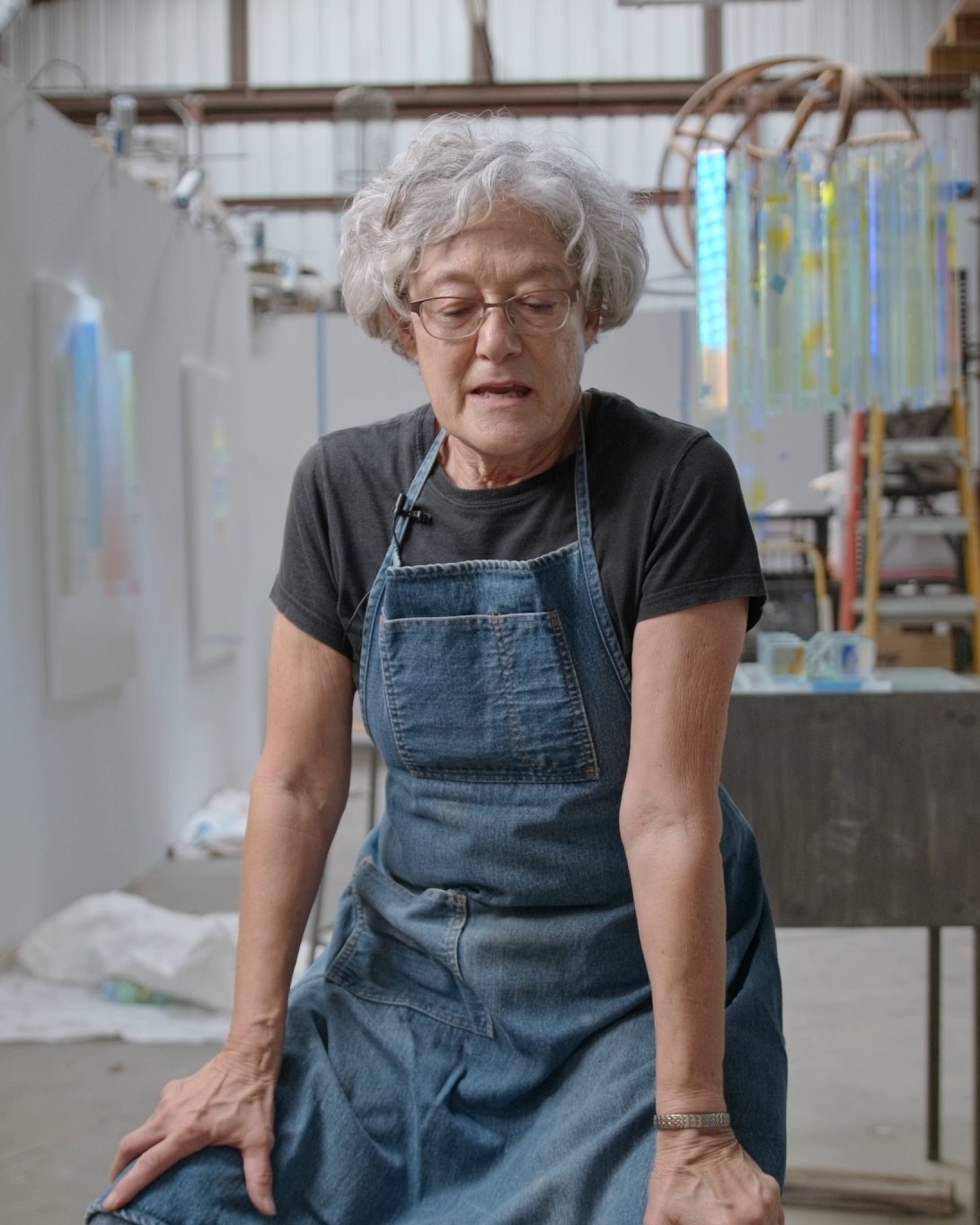
The reaction to all this synthetic perfection has been a swing toward footage that reads as human. Real employees instead of actors. Unscripted instead of airbrushed. Deliberately rougher, because rough now carries the thing polish used to carry: proof that something actually happened, involving actual people.
I find this funny in a specific way. The industry spent thirty years teaching clients that visible production value equals professionalism, and the market has now decided visible production value equals nothing in particular, and possibly equals synthetic.
But I don't think "shoot it worse" is the lesson, and I'd be careful with anyone selling it that way. Deliberate lo-fi is a style, and styles get commoditized on exactly the same schedule polish did. Give it two years.
The premium is the decision
If polish is the floor and roughness is a costume, what's actually left?
Knowing what to point the camera at.
That sounds glib. It isn't. Every project I've worked on that mattered came down to a handful of decisions made before anyone rolled: who we're actually talking to, what the real story is underneath the story they told us in the kickoff, which one thing to say and what to cut so that thing lands. Those decisions don't show up as a line item. They show up as whether the finished piece works.
I ran marketing and production for a distillery in San Antonio in my twenties, which meant I was the marketing department, so I shot the product photography myself out of necessity. The lesson from that period wasn't technical. It was that nobody buys the whiskey. They buy the water, the grain, and the hands that made it. The product was the least interesting part of the product.
That's the premium. Figuring out what a thing is actually about, and having the judgment to leave everything else on the floor.
What this changes about buying video
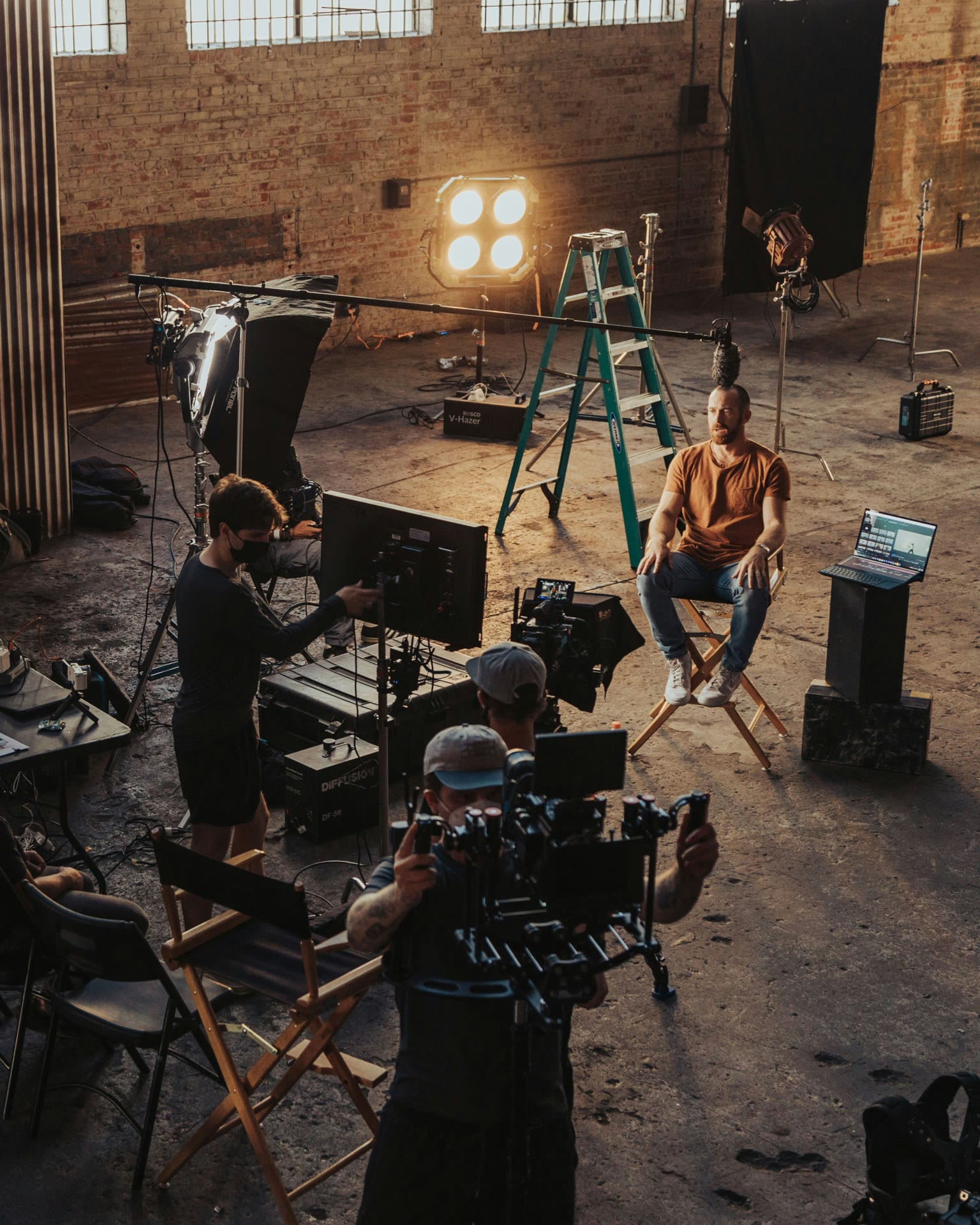
If you're commissioning work in 2026, the useful question is no longer "can they make it look good." Assume yes. Everyone can. That question has no discriminating power left.
Better questions:
Can they tell you what your story actually is, in a sentence, better than you can? That's the whole job.
Did they ask about your customer before they talked about their gear? Order of operations reveals what someone thinks the work is.
Can they say what they'd cut? Anyone can add. Subtraction requires a point of view about what matters, which means they have to have one.
Polish is table stakes now. That's genuinely good news for anyone whose value was never really in the finish, and a real problem for anyone whose was.